Education Matters: Unconventional learning
Earlier this week, I wrote about the unlikelihood of competition and cultural forces pushing higher education to “unbundle” its degrees and services.
In a discussion among faculty earlier this week, a conversation about online education quickly turned skeptical.

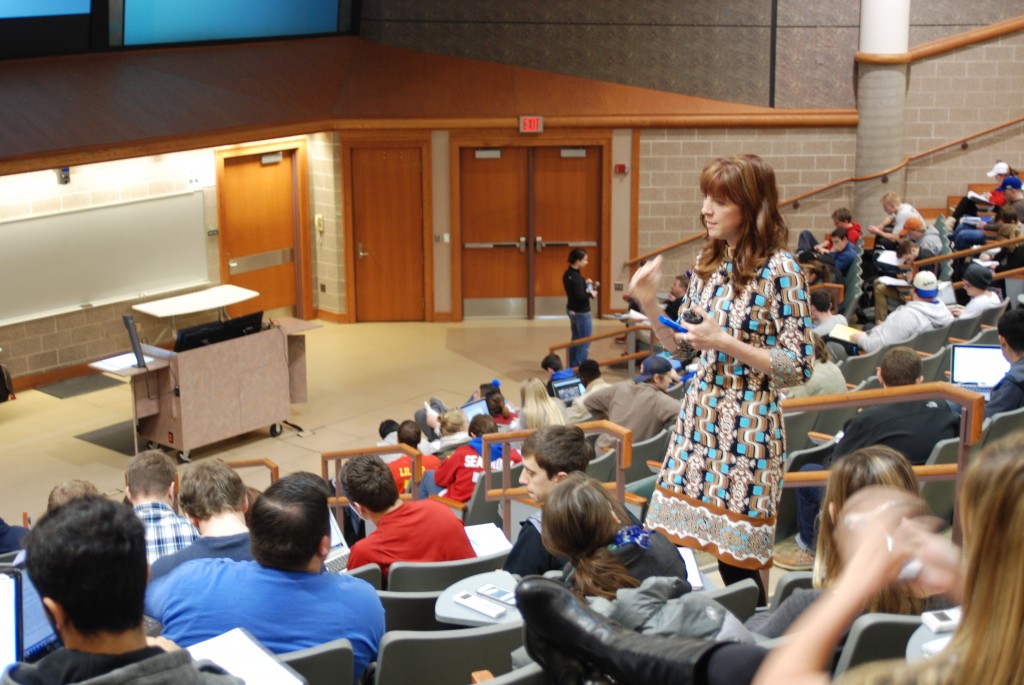
Jennifer Roberts first noticed the difference a few years ago in Geology 101.
In a review essay for the Washington Post, Janet Napolitano takes on the idea that higher education is in crisis.
Faculty often see the benefits of online education for students but not for themselves, Karen H. Sibley and Ren Whitaker write in Educause.
Development of online courses takes precious time away from other activities that generate greater rewards for faculty. The way to change that, Sibley and Whitaker argue, is to offer incentives to move into online education. They give these examples:
I often roll my eyes at articles that take millennials to task for not measuring up to the standard of the day. All too often, baby boomers and those in generations before seem to wag their fingers at young people and spew out curmudgeonly laments that inevitably start with, “When I was your age …”
James Burns of Boston College uses a term I hadn’t heard before: “swirling students.”
Writing in The Evolllution, Burns says swirling students are those who move in and out of college, collecting a few hours here, a few hours there as they move toward a degree. They often have full-time or part-time jobs, families, health problems or financial challenges, he says.

No one disputes that college tuition has risen substantially over the past 20 years.
Ask why, though, and you’ll get vastly different answers.