CTE Ambassadors Explore Campuswide Initiatives for Student Wellbeing
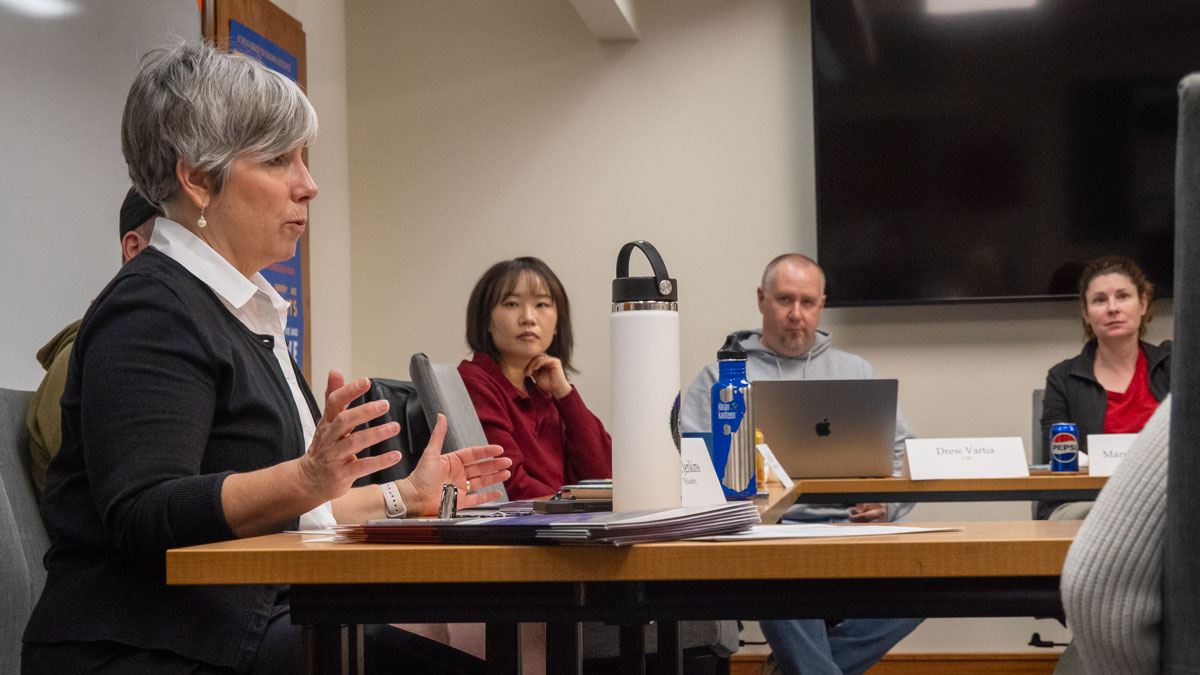
The Center for Teaching Excellence Ambassadors recently met with Jennifer Wamelink, associate vice provost of Student Affairs, to discuss the University of Kansas’ partnership with the JED Foundation and to hear about updates to student mental and physical health services.
KU is currently in the second and third years of a four-year JED Campus program designed to strengthen mental health systems, substance misuse programs, and suicide prevention.
“Our students are reporting that they’re struggling... and that is, in fact, impacting their ability to be successful in the classroom,” Wamelink told the ambassadors.
Initial survey data revealed that only 43% of students strongly agree or agree that KU prioritizes mental health, highlighting a clear need for growth.
The JED process aims to develop a "shared vision" where student wellbeing is everyone's responsibility, not just the wellness department.
Faculty are encouraged to normalize help-seeking and utilize the redesigned Student Support Resource Folder to recognize, respond to, and refer students in distress. Wamelink noted that having a direct, caring conversation with a student is a vital "middle step" before making a formal CARE referral.
Key updates to university support services presented to ambassadors:
- CAPS (Counseling and Psychological Services): Initial intake assessments are now free. Ongoing therapy fees were reduced from $15 to $10, with psychiatry at $25.
- Mantra Health: This new digital platform provides 24/7 "in-the-moment" support. Scheduled teletherapy is also available through Mantra following a CAPS intake assessment.
- Watkins Health Services: Medical staff now screen for mental health and suicide risk during every patient visit.
- Embedded Clinicians: CAPS clinicians are now stationed directly within academic units and residential spaces, including Green Hall, Daisy Hill, and the Kansas Union.
Along with key updates, Wamelink informed ambassadors about explorations into new strategies, including a review of medical withdrawal policies and the development of expanded training for faculty and staff.
"We want to have more training for faculty and staff that works for you," Wamelink told the ambassadors, explaining that the goal is not just to build awareness of resources, but to help faculty feel "more confident and capable" when supporting students.
“The ultimate outcome,” Wamelink noted, “is that campus develops a shared vision... because it does contribute to both student success and institutional success”